You can do everything right on the day and still have paid too much a month earlier. Very little of that is bad luck.
Booking the minute you decide to go
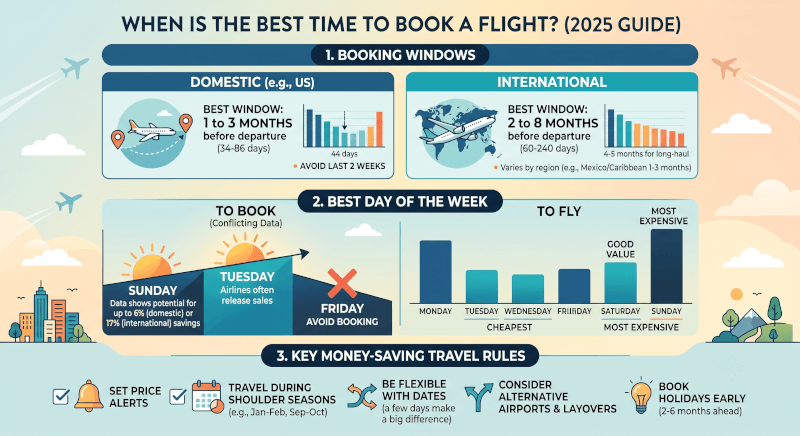
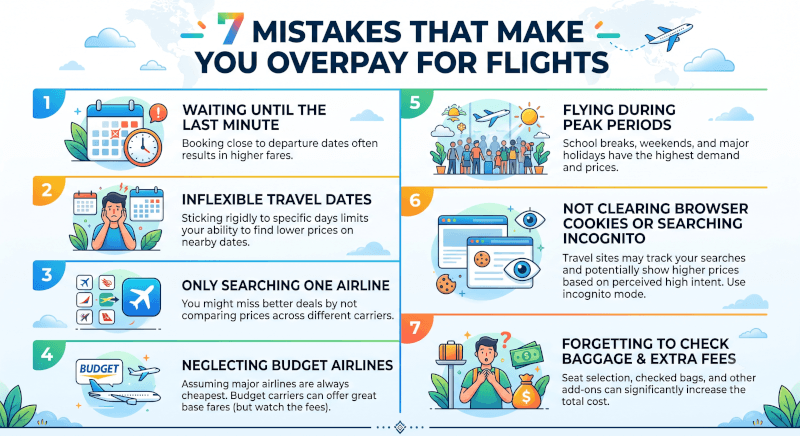
Deciding and buying in the same sitting feels efficient. What it actually does is convert a decision about a trip into acceptance of one random price. Prices on your route move all week; buying at the moment you happened to be thinking about it is buying a snapshot.
The fix is not to wait for its own sake. It is to make the decision once, name the price you would pay, and let the buying happen when that price exists.
Looking exactly once
A single search cannot tell you whether the number in front of you is high, low or ordinary for that route. Without a range to compare against, "expensive" and "a bargain" both look the same, which is why airline sale banners work so well.
Being rigid where you are not actually rigid
Plenty of trips have a hard constraint on one end and a soft one on the other, then get shopped as though both were fixed. A day either side of the departure, a nearby airport, a less popular hour: each of those is a different flight with its own forecast and its own cheap seats, and that gap is usually bigger than anything a booking trick can win.
Comparing headline fares instead of totals
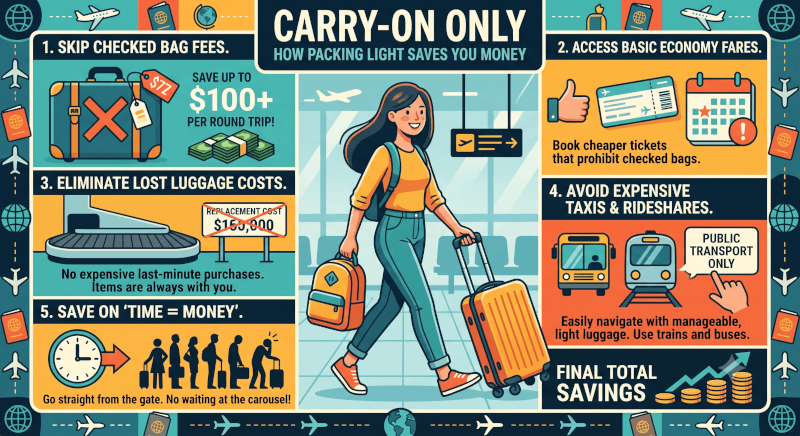
A low fare plus a bag plus a seat plus airport check-in can end up above a full-service ticket that included all three. On unbundled carriers, the advertised number is the price of the seat and nothing else, and the extras are priced with the confidence of a company that knows you have already mentally committed.
Trying to time it by hand
This is the expensive one, and it is expensive quietly. Cheap fare classes open and drain on their own schedule, sometimes within a couple of hours. Two checks a day sample almost none of it, and the fare you kick yourself over was usually there while you were asleep.
Software is better at that specific job. Set a price on your route and DiveFare re-reads it every 15 minutes, then writes within a few minutes of a ticket reaching your number. That habit alone quietly removes most of the others: you stop buying snapshots, you learn the route's range from the alerts that do and do not arrive, and the total you set is the total you pay.